

All about Zucchini, from how to pick out Zucchini, how to eat Zucchini, how to store it, and more.

What is Zucchini?
Zucchini, also known as courgette, is a summer squash that is part of the Cucurbitaceae family, which includes cucumbers, pumpkins, and melons.
While it’s typically green, zucchini can also be yellow or even striped. It is a versatile vegetable used in a variety of dishes, from salads and stir-fries and even baked goods.
What do Zucchini Taste Like?
Zucchini has a mild flavor that can sometimes be slightly sweet with a hint of nuttiness. When zucchini is cooked, it has a tender and somewhat creamy texture, making it a great addition to many dishes.
What Types of Zucchini are There?
There are several types of zucchini, but here are the most common:
- Green Zucchini: The most common variety with a dark green skin, sometimes lighter.
- Yellow Zucchini: Similar to green zucchini but with a bright yellow skin and slightly sweeter flavor. This is typically known as yellow squash, but many refer to it as yellow zucchini. You can also use it in baked goods like green zucchini like our yellow squash bread.
- Round Zucchini: Small, round zucchinis that are great for stuffing.
- Striped Zucchini: Green zucchinis with white stripes, often called Italian zucchini.
Difference between Zucchini Varieties
- Green vs. Yellow Zucchini: The primary difference is the color and slight variation in sweetness, with yellow squash being slightly sweeter.
- Regular vs. Round Zucchini: Round zucchinis are typically used for stuffing due to their shape, while regular zucchinis are versatile for slicing, dicing, and shredding.
- Striped Zucchini: Often more flavorful and tender than the standard green variety. We love this where we want the zucchini to really shine.
Zucchini Benefits
Zucchini is high in copper, manganese, vitamin C, magnesium, fiber phosphorus, potassium, folate, vitamin B1, K, B6, and B3. Zucchini also has antioxidants and anti-inflammatory properties.
Zucchini is extremely low in calories. One cup of sliced zucchini has only about 21 calories. It’s much lower than most vegetables. Many use it as a great option for pasta.
When are Zucchini in Season?
Summer is the prime time for zucchini and you’ll find plentiful amounts of just harvested zucchini at your local farmers markets. Peak season is from late May to early September, but thanks to out of state farmers you’ll see zucchini available year round in the supermarket.
How to Grow Zucchini
- Location: Choose a sunny spot with well-drained soil. You can use a container, raised bed, or right in the ground.
- Planting: Sow zucchini seeds directly in the garden after the last frost date or start indoors 2-4 weeks before transplanting.
- Spacing: Plant seeds or seedlings about 2-3 feet apart to allow for growth and airflow for each plant.
- Watering: Keep the soil consistently moist but not waterlogged. Water at the base of the plant to avoid wetting the leaves.
- Preventive Care: Add mulch or garden straw around the plants to retain moisture prevent weeds. Also regularly check for pests like squash bugs and aphids. Squash bugs will lay eggs under the leaves as well as on the stems. If you have those, remove them easily with duct tape and discard.
- Harvesting: Pick zucchini when they are about 6-8 inches long for the best flavor and texture. Regular harvesting encourages more production.
Once planted you can typically start to harvest zucchini 35-55 days after.
If your zucchini plant is dying, it may be due to a squash vine borer. These pests can sometimes be removed without harming the plant, but it’s best to prevent them from infesting the plant in the first place.
How to Store Zucchini
Store fresh zucchini in the refrigerator. Place it in a perforated plastic bag in the crisper drawer where it can last for up to one week. Avoid washing zucchini before storage to prevent moisture buildup and spoilage.
How to choose a good zucchini
Bigger isn’t always better and that rings true for Zucchini. We like to stick to a decent size, not to small, and not to big. When zucchini becomes larger it can become a bit bitter. Always check that the zucchini is firm and the skin is bright without too many blemishes.
How to Freeze Zucchini
- Preparation: Wash and slice or dice the zucchini.
- Blanching: Boil the pieces for 2 minutes, then plunge them into ice water to stop the cooking process.
- Drying: Pat the zucchini dry with a clean towel.
- Freezing: Spread the pieces on a baking sheet and freeze until solid. Transfer to a freezer-safe bag or container. Frozen zucchini can last up to 3 months.

Freezing zucchini will change the texture, but it will still be perfect for soups, stews, and cooked recipes.
How to Enjoy Zucchini
- Raw: Add to salads or serve with dips.
- Grilled: Slice lengthwise and grill with olive oil and herbs.
- Baked: Use in bread, muffins, or casseroles.
- Stir-Fried: Combine with other vegetables and a protein source for a quick meal.
- Stuffed: Fill round zucchinis with a mixture of grains, vegetables, and cheese, then bake.
The actual zucchini isn’t the only edible part and you can also eat the blossoms by stuffing them and frying, SO GOOD!
Zucchini Recipes
- Zucchini Bread Recipe
- Chocolate Zucchini Bread
- Zucchini and Tomatoes
- Baked Zucchini
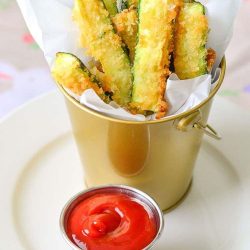
- Crispy Baked Zucchini Fries
Zucchini
(click stars to vote)
Print Pin SaveIngredients
- 2 medium zucchini
- vegetable wash
- water
Instructions
- Wash the zucchini wtih vegetable wash and water and pat dry.
- Place the zucchini on a clean cutting board and then using a sharp knife, cut it in half lengthwise down the middle and then into slices.
- Place the zucchini into an airtight container into the fridge until ready to use in your preferred recipes like stir fry, stew, or soups.
Tried this recipe?
We’d love to know what you think! Please leave a rating and comment to share your thoughts on this recipe. Your feedback helps us continue sharing free, high-quality recipes with you. Thank you so much!
Nutrition
The nutritional information is automatically calculated and can vary based ingredients and products used. If the nutrition numbers are important for you we recommend calculating them yourself.

Leave a Reply