

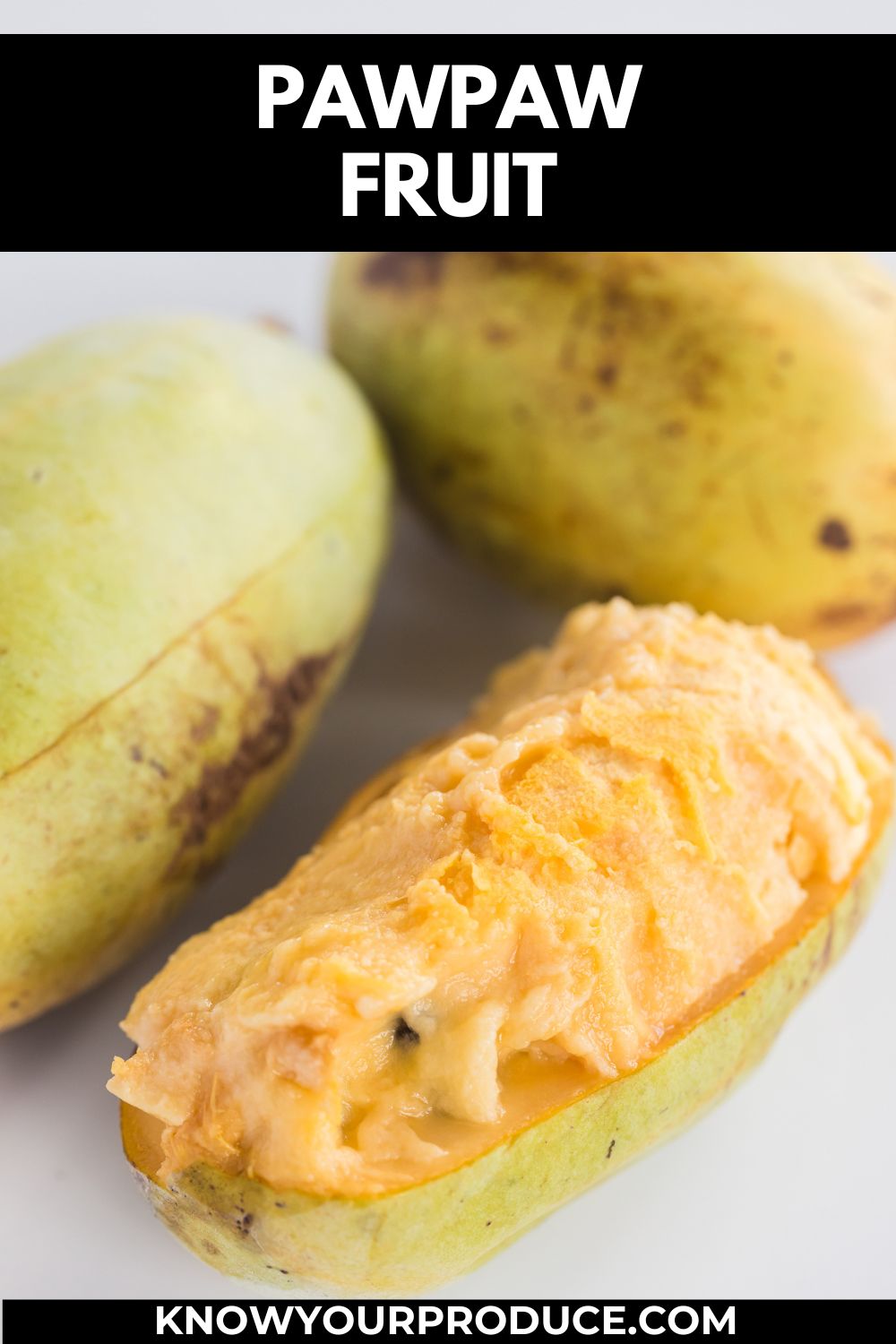
All about Pawpaws, from how to pick out pawpaws, how to eat pawpaws, how to store them, and more!
What is Pawpaw
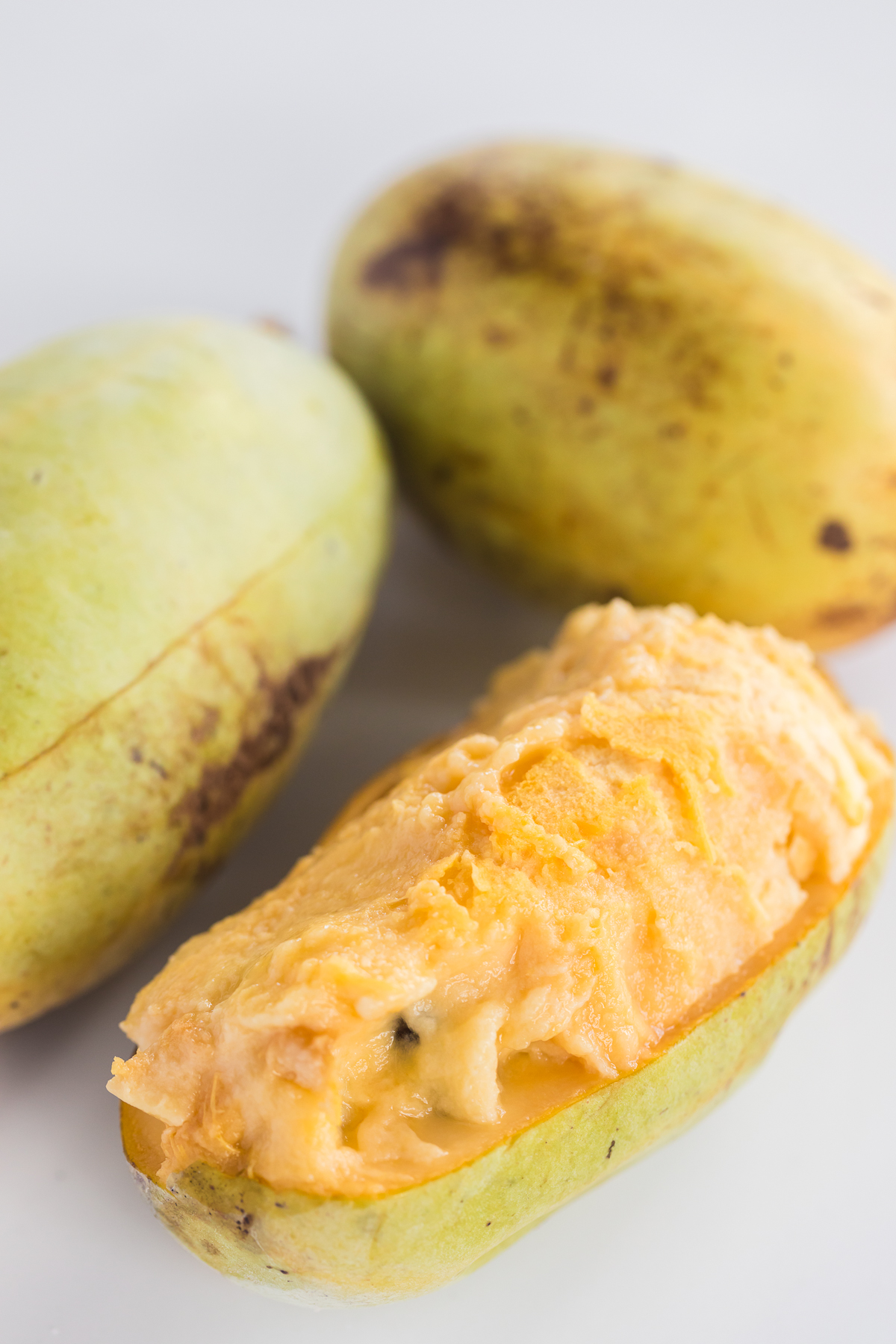
Pawpaw (Asimina triloba) is a native fruit tree found in North America, often referred to as America’s best secret fruit. We never tried them until finding them at Robson’s Farm!
Pawpaws grow on trees that can reach up to 35 feet tall. The pawpaw fruit is known for its unique custard like texture.
What do Pawpaws taste like
Pawpaw’s taste is a mix of tropical flavors, with hints of banana, mango, and citrus to most. When tasting for the first time, we felt the best way to describe it was eating a banana after chewing on juicy fruit gum.
It is super creamy and the custard like texture makes it stand out from most fruits we’ve picked before.
Pawpaw Benefits
Pawpaw is a nutritious fruit that contains several important vitamins and minerals. They have a good source of Vitamin C, which supports immune health, as well as magnesium, potassium, and antioxidants, including phenolic compounds! (source)
With about 80 calories per 100 grams and natural sugars, pawpaw makes for a delicious and nutritious snack.
When is Pawpaw in Season
Pawpaws are typically harvested from late August through October, depending on the region. The fruit ripens quickly once picked, which is why the season is relatively short and you won’t see them sold in local grocery stores.
They are extremely fragile, bruise easily, and don’t last too long once picked.
How to Pick Out Pawpaws
When selecting pawpaws, choose fruits that are slightly soft when gently pressed, similar to a ripe avocado. Ripe pawpaws often have slight brown spots and a fragrant, tropical aroma. Avoid hard, underripe fruit as it will not yet be sweet.
Unripe pawpaw will be hard and green. We wait until a bit of a yellowish hue. You’ll also notice they smell sweet once ready.

How to Eat Pawpaw
To enjoy pawpaw, rinse the fruit and cut it in half lengthwise, but not too far in as it has seeds. Then we simply separate the two halves.
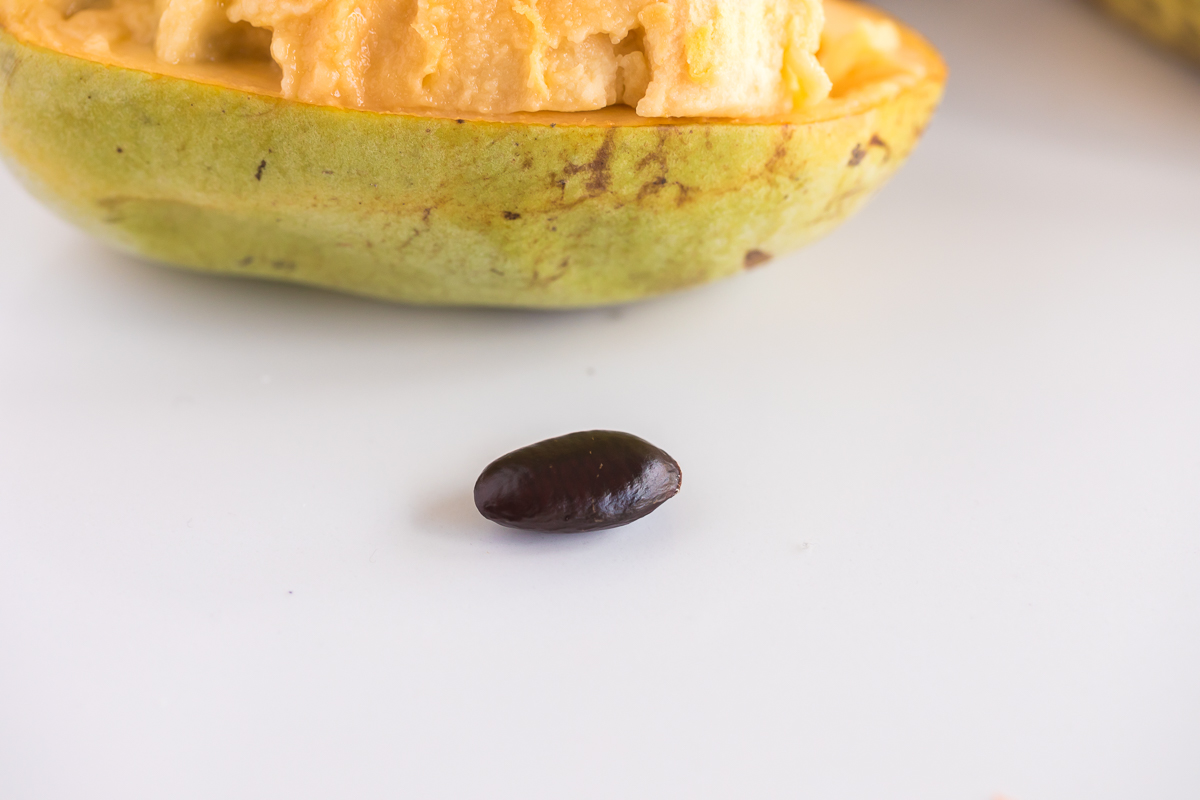
You can then use a spoon to scoop out the creamy flesh, but discard the large brown seeds.
Pawpaws are best eaten fresh, but they can also be used in smoothies, ice creams, puddings, or baked goods like pawpaw bread or muffins.
How to Grow Pawpaw
Pawpaw trees thrive in well-drained, fertile soil and can grow in full sun or partial shade.
They prefer regions with hot summers and cold winters. They thrive here in New Jersey, the garden state!
A grated tree will produce pawpaw fruit in 2-3 years, whereas seedling trees will take up to 10 years.
They are not self pollinating, so you’ll need to have another to cross-pollinate.
Pawpaw trees are pollinated in a unique way. Instead of bees, they rely on flies and beetles. Wild right? The flowers of the pawpaw are a dark burgundy color that resembles something rotting, this is what attracks the flies and beetles to the flowers.
How to Store Pawpaw
Once ripe, pawpaws can be stored in the refrigerator for up to 3-5 days. If unripe, they should be left at room temperature to ripen. They bruise easily, so handle them with care.
How to Freeze Pawpaw
To freeze pawpaw, first wash and peel the fruit. Remove the seeds and cut the flesh into chunks or scoop the pulp directly. This will be a little messy.
Spread the pieces on a baking sheet to freeze individually. Once frozen, transfer them to an airtight container or freezer-safe bag.
Frozen pawpaw can last up to six months and works well in smoothies or baking.
How to Enjoy Pawpaw
Pawpaw can be enjoyed fresh, simply by cutting it open and scooping out the flesh. It works really well in recipes, but make sure you use them quickly as they don’t store well too long.
Try pairing it with ingredients like vanilla, cinnamon, or even coconut to enhance it’s tropical flavor.
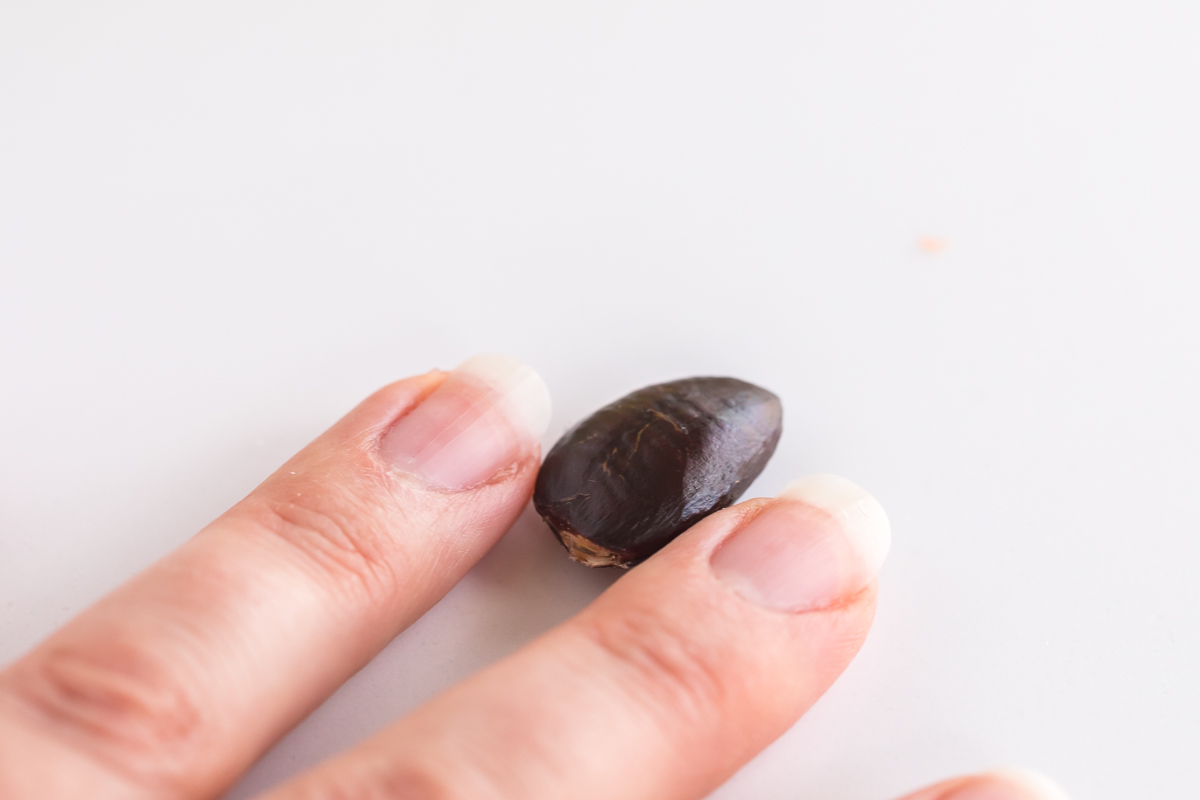
While pawpaws are safe to eat for most people, here are some things to keep in mind:
- The seeds and skin of the pawpaw should not be consumed, as they contain compounds that can be toxic.
- A small number of people may experience allergic reactions to pawpaw, including skin irritation when handling the fruit.
- Some studies suggest that certain compounds in pawpaw, like annonacin (found in trace amounts), may have neurotoxic effects if consumed in very large quantities over time. (source)
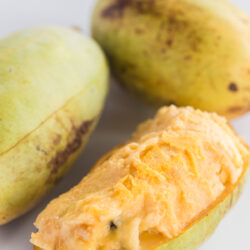
How to eat Pawpaw
(click stars to vote)
Print Pin SaveIngredients
- 1 pawpaw
- vegetable wash
- water
Instructions
- Wash the pawpaw fruit wtih vegetable wash and water and pat dry.
- Carefully slice the pawpaw in half, but not all the way due to the seeds.
- Separate both sides and then use a spoon to scoop the flesh, but do not eat the seeds or the skin.
- Enjoy!
Tried this recipe?
We’d love to know what you think! Please leave a rating and comment to share your thoughts on this recipe. Your feedback helps us continue sharing free, high-quality recipes with you. Thank you so much!
Video
Nutrition
The nutritional information is automatically calculated and can vary based ingredients and products used. If the nutrition numbers are important for you we recommend calculating them yourself.

Use like an a avocado, but it’s sweet